Rolling Beside the Water: Inclusive Canal Towpaths

Set out for a calm, waterside journey celebrating accessible canal towpath routes for wheelchairs and strollers, where gentle grades, firm surfaces, and open horizons invite everyone to glide, pause, and explore. We’ll highlight practical planning tips, safety insights, scenic highlights, and community wisdom so families, solo adventurers, and caregivers feel confident from the parking lot to the last sunlit bench. Share your favorite segments, help refine route details for others, and join a growing circle of considerate explorers rolling beside boats, reeds, and rippling reflections.

Planning Your Day Out

A smooth day beside the canal often starts long before rolling onto the towpath. Check surface type, recent maintenance notices, and weather that might affect traction or puddling. Confirm accessible parking, step-free entrances, and restroom availability. Consider wind exposure along open cuts, shade near tree-lined reaches, and convenient stopping points. Add route length options that match energy levels, note turnaround spots near ramps or bridges, and set realistic time expectations so everyone, from power chair users to sleepy toddlers, feels supported and relaxed.

Researching Surfaces and Gradients

Surface consistency may change across short distances, so study maps, forums, and recent user reports for gravel fines, compacted dirt, or asphalt stretches. Gentle slopes feel different when towing a stroller or navigating a manual chair, especially in damp conditions or under fallen leaves. Look for notes about camber, puddles under low bridges, and seasonal maintenance. If in doubt, plan a short scouting visit or choose loops that allow an easy return should conditions feel less welcoming than expected on arrival.

Access Points, Parking, and Public Transport

Step-free arrival defines the tone of the whole outing. Seek trailheads with accessible bays, curb cuts, and room to unload a chair or double stroller. If arriving by bus or train, verify platform lifts, ramps, and smooth connections between stops and the towpath. Some canal gates open wide for mobility devices, while others include narrow chicanes intended for bikes. Contact local managers if uncertain, and bring screenshots of access notes in case cell coverage fades near embankments or tunnels.

Lock-side Lookouts and Quiet Harbors

Locks fascinate kids and adults alike, but uneven cobbles or damp spray can challenge wheels. Identify viewpoints with rails, level aprons, and gentle approaches so everyone can enjoy the choreography of gates, paddles, and rising boats. In small basins, harbors often provide wider promenades, making it easier to pass other visitors or pause for photos without blocking the path. These calm pockets become perfect learning moments for curious children asking how boats climb a hill using only gravity and water.

Wildlife Corridors and Seasonal Blooms

Canals stitch together green ribbons where kingfishers flash, herons pause like statues, and dragonflies glitter above lily pads. Many sections keep vegetation trimmed so wheel hubs avoid snagging, yet wild banks still flourish beyond the edge. In spring, blossom petals sprinkle the path like soft confetti; in autumn, amber leaves carpet everything with storybook charm. Choose spur trails with smooth connectors to duck viewing platforms or benches under willows, where strollers can idle and wheelchairs pivot easily for relaxed, lasting birdwatching moments.

Cafes, Playgrounds, and Accessible Restrooms

Energy dips happen, and a warm drink or slide break can reset the day. Hunt for canal-side cafés with step-free entries, spacious aisles, and clear counters. Outdoor seating often sits on firm pavers, great for parking wheels while boats clink nearby. Playgrounds beside community moorings sometimes feature inclusive swings or low-transfer spinners, letting siblings co-create adventures. Verify restroom door widths, turning circles, and grab rails beforehand, noting baby-changing tables and family cubicles that reduce queue stress during busy weekend regattas or market hours.

Design Details That Matter

Small features transform a canal walk from tiring to delightful. Consistent width reduces bottlenecks, and occasional passing places calm busy sections near marinas. Minimal crossfall keeps chairs tracking straight, while compacted surfaces limit ruts and surprises. Clear edges or low fences reduce anxiety beside deep water, and bridges with gentle approaches maintain momentum instead of forcing awkward pushes. Good wayfinding welcomes newcomers, turning unknown bends into comfortable choices. When these details align, a mile beside the water feels light, conversational, and wonderfully repeatable.

Safety and Etiquette Along the Water

Shared towpaths thrive on kindness and predictable movement. Bells, voices, and eye contact help everyone coordinate, whether pushing a stroller, using a chair, or cycling gently. Keep to the side, announce overtakes early, and slow near narrows, anglers, or excited dogs. In bright sun, reflective water can hide potholes; at dusk, lights and reflective strips improve visibility around moorings. Teach kids about edges without scaring them, and store emergency numbers offline. Calm choices make canals feel like generous, softly choreographed neighborhoods.

Sharing Space with Wheels, Feet, and Paddles
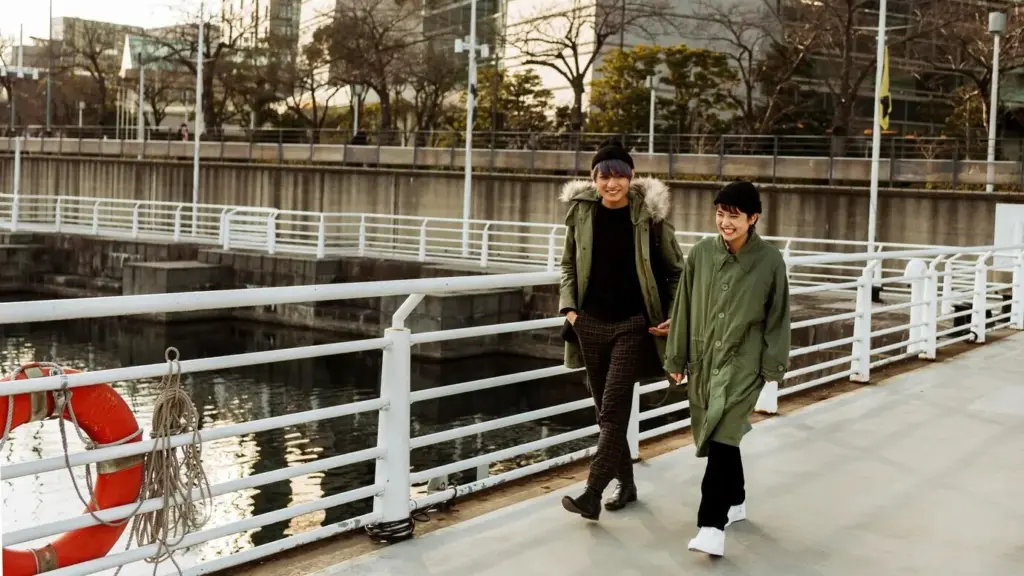
Expect a moving tapestry: joggers counting steps, anglers shifting gear, families comparing snacks, and cyclists gliding. When roles overlap, a simple bell and warm greeting dissolves tension. Leave room for wheel users to avoid soft verge edges, and anticipate leash tangles near narrow bridges. Boat crews lugging ropes deserve patient passing space too. These small courtesies keep momentum flowing like the canal itself, and transform small surprises into friendly, solvable moments that people remember as part of the day’s gentle charm.

Weather, Light, and Visibility Considerations

Open water magnifies wind, cools air, and reflects sun into eyes. Pack layers and a brimmed hat, and consider clear-lens glasses for dusk bugs and glare. Lights front and rear improve recognition in tree tunnels or under bridges, while reflective strips help others gauge distance. In damp weather, braking distances grow for strollers; wheel rims may need a quick towel dry. Check the sky’s mood, align expectations, and choose shorter loops when clouds threaten, preserving joy without chancing a long, chilly return.

Maya’s First Independent Riverside Morning

Maya practiced on neighborhood pavements for weeks, then chose a canal segment praised for firm gravel and generous passing places. She rolled past moorings scented with coffee and engine oil, exchanging soft waves with boaters. A bench near a willow offered a celebratory pause, where sunlight filmed the water like old cinema. Returning along the same stretch, she noticed confidence displacing caution, and penciled a longer loop for next month, proof that welcoming details can unlock wider worlds with steady kindness.

A Twin Stroller, Two Nap Schedules, One Peaceful Mile

The twins disagreed about everything except birds. Their parents picked a short out-and-back beside a calm pound, where benches appeared like friendly checkpoints. One child napped to the hum of passing barges, the other counted bridge arches. A café ramp made refueling easy, and a clean, roomy restroom saved the day. On the walk back, both children slept, wheels whispering over compacted fines. That reliable mile became a weekly ritual, a pocket of ease anchoring the wild calendar of early parenthood.

Volunteers, Rakes, and a Small Smoother Miracle

Before the craft fair, volunteers gathered with rakes and shovels to even a troublesome patch where puddles lingered. They tamped, smiled, and swapped stories about favorite bird calls. The next morning, chairs and strollers glided instead of skirting the verge. A grandparent whispered thank yous while rolling toward bunting and baked goods, realizing how tiny improvements reshape an entire day. The team snapped a photo by the lock gate, muddy and proud, promising to map their work for future visitors.

Stories from the Towpath

Experiences shape confidence more than any map. On a bright morning, a new power chair user traced a short loop by the old lock keeper’s cottage, discovering how gentle cambers felt under fresh tires. Another day, two parents pushed a wide stroller past herons while their toddler counted boats like bedtime sheep. Volunteers once smoothed a rutty patch before market day, and the difference felt like magic. These moments, small and sincere, stitch community into every comfortable, repeatable mile along the water.

Get Involved and Map Better Access

Community Mapping and Real-Time Updates

Crowdsourced notes bridge gaps between official plans and lived experiences. A quick photo of a repaired ramp, a sentence about fresh gravel, or a heads-up about a narrowed section near moored boats can guide weekend decisions. Use consistent tags for surfaces, gradients, and gate types so information travels well between apps. Celebrate contributors who verify details in different seasons, since frost, leaves, and drought each shift conditions. Together, these small signals create a dependable, evolving picture of comfort along the water.

Working with Canal Trusts and Local Authorities

Partnerships transform polite wishes into sturdy rails, smoother aprons, and clearer maps. Attend consultations, bring examples of good solutions from nearby stretches, and emphasize benefits for parents, older adults, and wheelchair users alike. Document before-and-after photos to show return on modest investments. Advocate for scheduled maintenance, weed control at tight bends, and signage that anticipates visitors who roll. When agencies hear repeated, constructive suggestions, priorities realign, funding unlocks, and future strolls feel more relaxed, practical, and joyfully inclusive for every passerby.

Share Your Photos, Distances, and Roll-Time

A single trustworthy number can settle nerves before a first visit. Post total distance, surface notes, and realistic roll-time at conversational pace, accounting for pauses at locks or playgrounds. Add elevation traces for bridge approaches, and mark turnaround points that suit differing energy levels. Photos showing wheelchairs and strollers in context help others visualize space and comfort. Comments about café crowding or weekend regattas add timing wisdom. Your story today becomes someone else’s confident first mile beside quiet, reflective water tomorrow.
Palovaroxaripiramexolento
Privacy Overview

This website uses cookies so that we can provide you with the best user experience possible. Cookie information is stored in your browser and performs functions such as recognising you when you return to our website and helping our team to understand which sections of the website you find most interesting and useful.