Between the Locks: Walks Where Water and Wildlife Meet
Set out along the towpath with a clear purpose today: wildlife encounters between canal locks, explored through a nature watcher’s walking guide that blends route planning, fieldcraft, and heartfelt stories. Discover quiet pounds, eddies, and spillways where birds, mammals, and insects reveal their routines to patient, respectful walkers.
Choosing Your Stretch Between Gates
Reading the Map and the Water
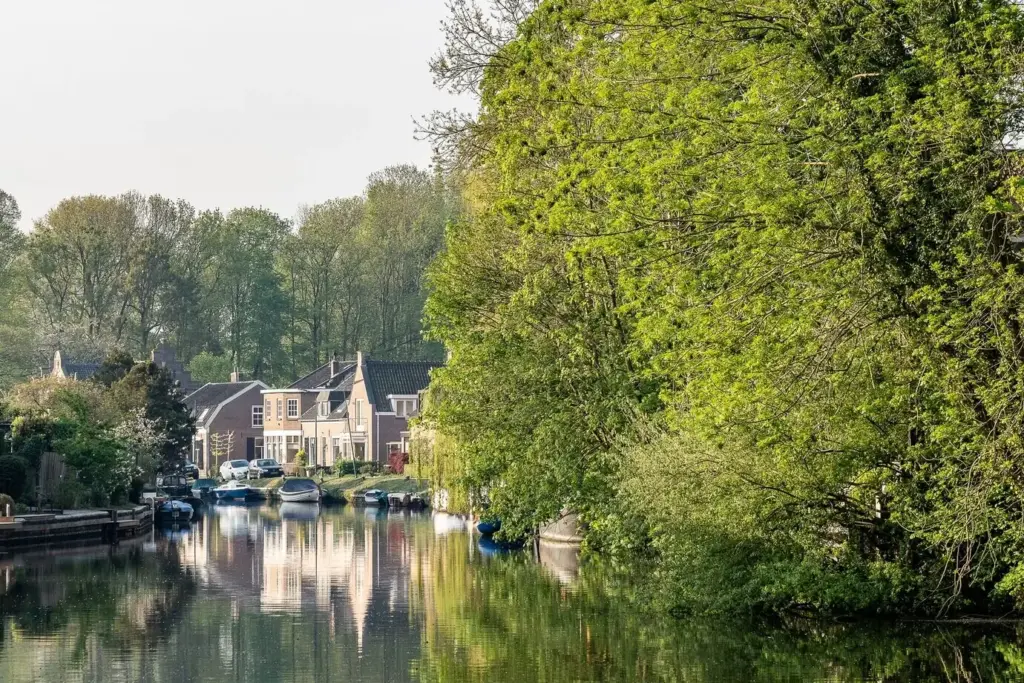
Pair a paper map or official canal guide with on the ground clues. Study contours near lock cuts, feeder channels, bridges, and weirs. Notice sheltered pounds where flow slackens, rafts of floating vegetation gather, and shy species feel secure enough to forage or rest.
Timing Your Walk for Encounters
Dawn brings low wind, softer light, and fewer cyclists or runners, giving you space to watch quietly. Dusk invites bats and owls over the pounds while anglers pack up. Overcast days flatten glare, revealing fish, vole slides, delicate ripples, and the sudden jewel flash of a kingfisher.
Safety and Access Around Working Locks
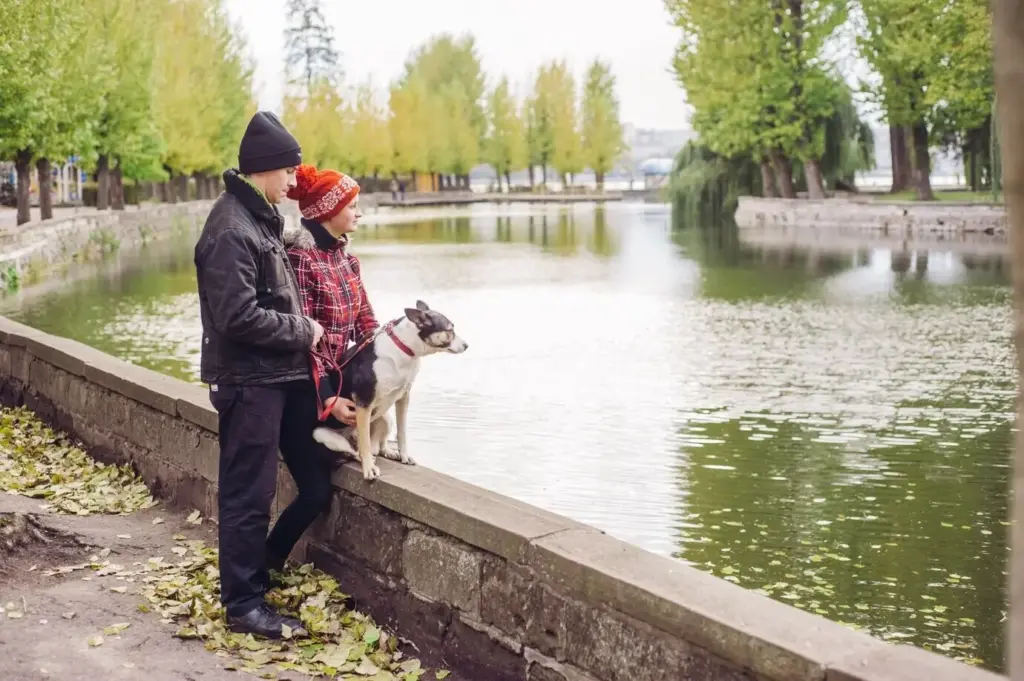
Locks are beautiful but unforgiving machines. Keep a respectful distance from moving gates, cogs, and floodable edges, and never block crews. Choose towpath sections with firm footing, minding slick algae and mud. Dogs on leads safeguard nesting swans, canoeists, and your attention when surprise moments unfold.
Signature Species Between Stillness and Flow
Birds Along Boards, Rails, and Reeds
Watch herons hunt methodically on shallow margins, while moorhens dart through reeds and coots patrol with stubborn confidence. Swans defend nests fiercely in spring. Kingfishers arrow low, bright as enamel. Overhead, swallows skim insects, and wagtails dance along balance beams, snagging midges around the paddles.
Quiet Mammals at the Edges
At first light, look for otter slides beneath trailing roots, or the discreet plop of a water vole abandoning a grazing ledge. Foxes ghost hedgerows at the back of verge meadows, while rabbits and brown rats share embankments, quick to vanish when boats approach.
Invertebrate Fireworks Over Still Water
On warm afternoons, dragonflies patrol territories like tiny helicopters, while damselflies rest jewel bright on rushes. Mayflies hatch in bewildering clouds. Caddis larvae build cases from canal grit. Spiders web railings, gathering midges that drift from spills, their threads glittering where sun breaks through the willow leaves.
Fieldcraft for Narrow Paths and Quiet Water
Skillful movement matters as much as good optics. Shift your pace with the wind, watch your shadow, and think about where your silhouette meets open water. Use lock structures as blinds, and learn to listen for soft alarm calls that precede splashes or sudden wingbeats.
Move Like Water, Then Pause
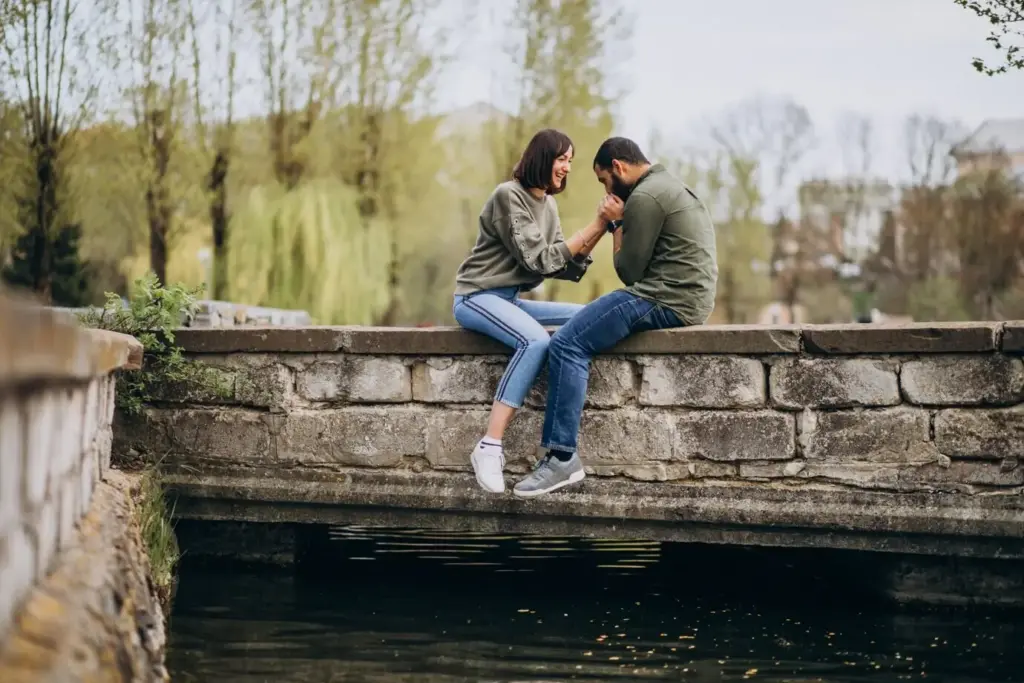
Adopt a flowing rhythm interrupted by generous stillness. Thirty slow steps, then a full minute to scan reflections and margins. Knees stay soft, breath quiet, and clothes muted. Stand beside beams, not on them, letting wildlife relax while you blend into the geometry of wood and iron.
Listen Before You Look
Tune in to layered sounds that give away presence long before eyes can focus. Moorhen clicks, coot grumbles, reed warbler chatter, and the glassy drip of a surfacing fish all offer direction. Close your eyes briefly, triangulate, then raise binoculars slowly to confirm without startling nervous neighbors.
Seasons Written on Water and Wood
Between locks, the year turns in distinct textures. Spring sings from reeds and hedges, summer glows with insects, autumn carries migrants along the corridor, and winter reveals structure. Understanding these shifts helps set expectations, shape routes, and celebrate each walk for its particular, timely gifts.
Stories Carried by Locks and Towpaths
Meaning deepens when moments become memories worth retelling. Along canals, many walkers trade gentle nods and unexpected tales that shape how we attend to water. Here are three small stories that remind us patience, courtesy, and curiosity often guide feet to remarkable, unscripted encounters.
Pack Light, Notice More
A modest kit encourages longer, easier walks. Choose a comfortable daypack, refillable bottle, snacks without crinkly wrappers, and a microfiber cloth for lenses. Keep hands free for balance beams and muddy edges. The less you carry, the more often you pause and truly look.
Photograph Without Disturbance
Favour distance, long lenses, and calm movements. Avoid flash near waterfowl, and let birds leave or return on their own schedule. Kneel rather than looming. Frame reflections and textures of gates to tell place based stories. Share responsibly, obscuring sensitive nest locations and protecting vulnerable habitats from crowds.
Log and Share What You See
After each walk, note conditions, species, behaviors, and precise stretches between locks. Upload to local recording schemes or trusted platforms that support conservation. Invite readers to comment with their own sightings and best times, building a friendly, ongoing exchange that improves everyone’s chances of gentle encounters.