Walk the Waterline: Unlocking Canal Locks on Foot

Lace up and join a waterside journey that brings engineering to life with every step. Today we wander through Understanding Canal Locks: An On-Foot Heritage Trail for Walkers, discovering how gates, paddles, and chambers choreograph water, shaping landscapes, livelihoods, and memories. Expect practical walking tips, living history, wildlife encounters, and stories from towpaths where quiet mechanics still whisper, inviting you to pause, observe, and feel the satisfying rhythm of rise and fall beside the calm canal.

How the Lock Breathes: Water, Weight, and Waiting
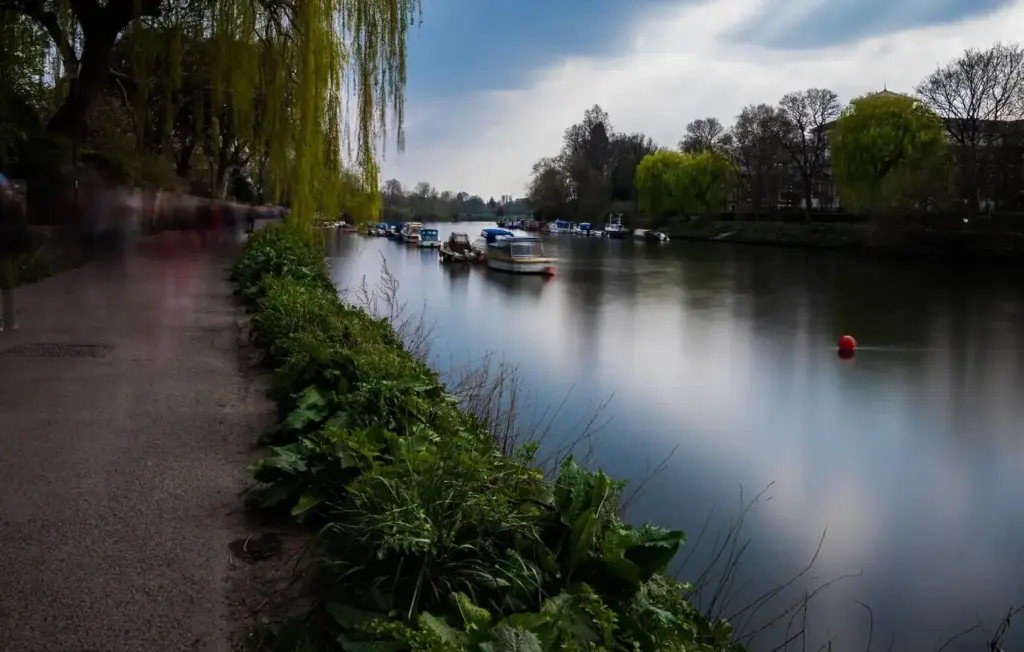
Stand beside the beams and feel the measured patience that powers movement without engines. A lock works like a carefully controlled lung, inhaling and exhaling water to raise and lower boats. From the towpath, you can read levels in damp stone marks, hear sluices hiss, and sense the moment when heavy gates finally yield. This is a living demonstration of pressure, buoyancy, and balance, revealed gently to attentive walkers who watch time slow into purposeful action.

Footsteps Through Centuries Along the Towpath

These paths once felt iron-shod hooves and boot soles long before your hiking tread. Locks anchored routes that carried coal, grain, timber, and hope between towns, fueling workshops and kitchens alike. Here, stones remember bargains struck at dusk, and cottages recall the whistle of kettles beside oily lanterns. By walking, you inherit a moving classroom, where trade routes, family stories, and small miracles of craft converge into one continuous line of human perseverance beside purposeful water.

Route Selection, Maps, and Seasonal Timing
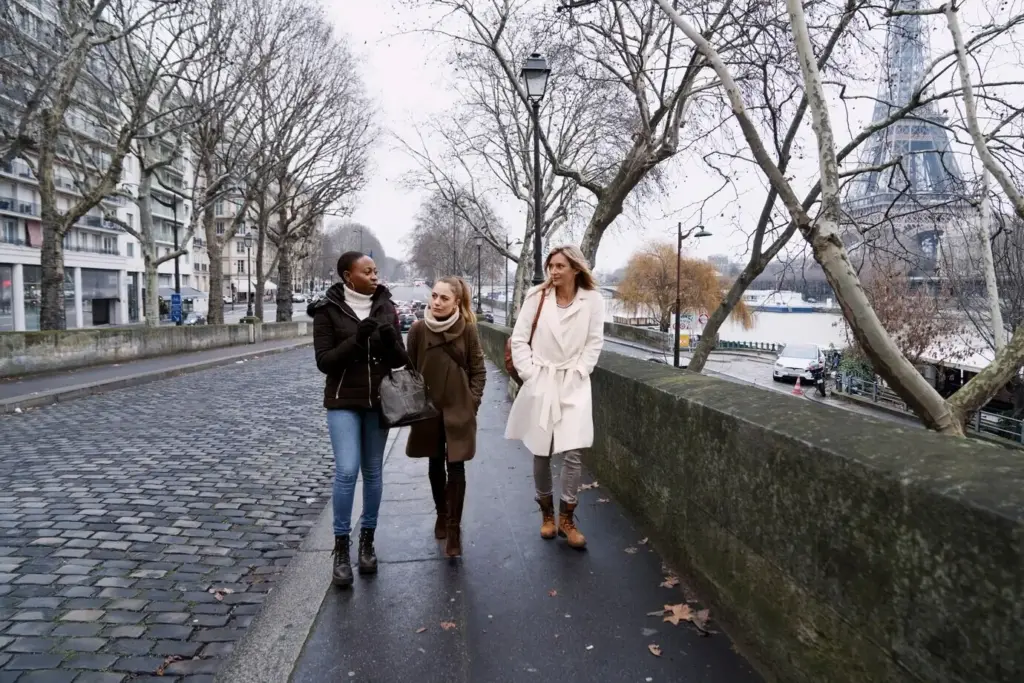
Start with an OS map or trusted app, tracing stretches that include varied features: single locks, a short flight, and perhaps an aqueduct for drama. In spring, banks bloom and paths soften; in winter, structures reveal crisp geometry. Consider circular options using footbridges, public transport links, and safe road crossings. Mark cafés, benches, and toilets, but leave space for serendipity. The best routes balance length with learning, ensuring your curiosity stays bright from first gate to last ripple.

Etiquette Near Working Locks and Boats
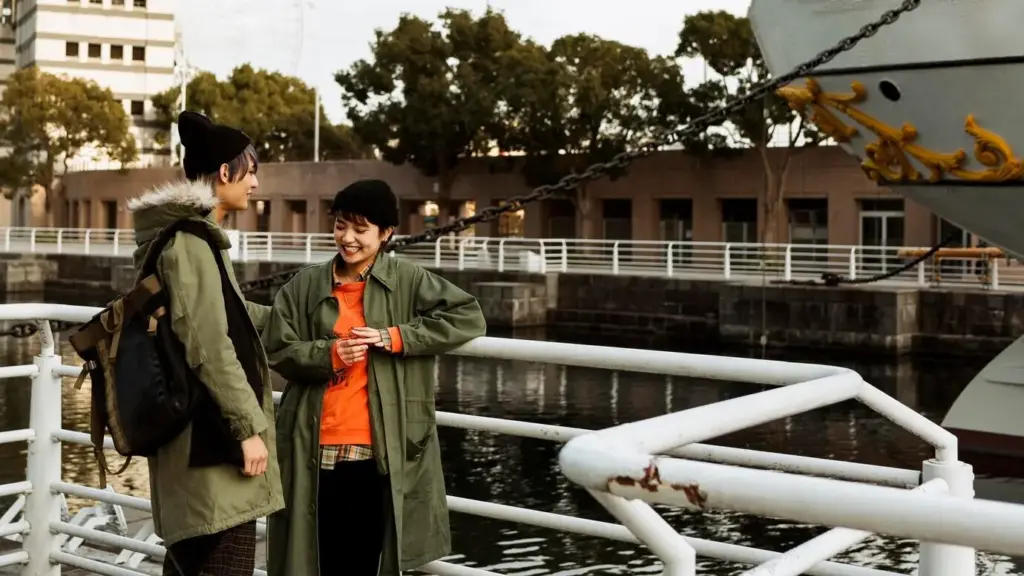
Treat the lock like a workplace viewed from a respectful gallery. Stand clear of beams, avoid obstructing approaches, and never operate paddles without permission. Offer help only when asked, and keep dogs leashed near edges and open chambers. Photographers, step wide so crews can see lines. A cheerful greeting goes far, but silence during tricky maneuvers goes farther. This courtesy culture protects ankles, timetables, and tempers, proving that shared waterways thrive when walkers move kindly and attentively.

Walking with Children, Dogs, and Mixed Abilities
Choose sections with even towpaths, frequent exits, and railings near deep water. Assign roles: one adult watches edges, another scouts bridges or stiles. Pack snacks, warm layers, and bright whistles. For wheelchairs or strollers, seek resurfaced segments and widened pinch points. Dogs need short leads near livestock, cyclists, and lock furniture. Celebrate small wins: spotting a heron, identifying a brick bond, or timing a gate swing. Everyone deserves safe delight at the water’s unhurried pace.

Wildlife at the Water’s Edge

A canal is a negotiated habitat, where engineered flow shelters delicate lives. Look for moorhens stitching reeds, damselflies painting air with metallic threads, and bats sampling dusk above mirror-smooth pounds. Stone crevices host mosses, while overhanging willows nurse shade. Your footsteps matter here: quiet observation invites intimate encounters, and restrained curiosity keeps nests undisturbed. By recording sightings and seasons, walkers become stewards, proving that careful attention can braid engineering and ecology into one shimmering, mutually generous corridor.

Reading Stone and Brick Like a Timeline

Find tooling marks that show whether a mason swung a point chisel or a pitching tool. Identify English bond, Flemish bond, and later engineering replacements in subtle blues and purples. Where brick meets stone, transitions reveal budgets, expedience, or pride. Repointing tells of damp winters; spalled faces hint at freeze-thaw woes. Treat each surface as layered handwriting, and your walk becomes archival work in open air, deciphering construction choices made by hands long gone yet still speaking clearly.

Spotting Mechanisms: Rack, Pinion, and Balance Beam

Study the gearing on paddle gear: cogs meshing like respectful partners, spindles wearing honest polish from decades of turns. Balance beams translate human effort into graceful motion, proving physics is friend, not foe. Look for safety pawls, collars, and stop plates—details that keep energy contained. Some sites sport hydraulic or electric assists, bridging tradition with modern reliability. Observing these parts working smoothly will sharpen your eye, deepen your respect, and transform each creak into an intelligible, reassuring sentence.

Make Your Walk Creative and Social

A canal walk becomes unforgettable when you capture it with senses wide open and share discoveries generously. Try sketching a gate hinge, recording water sounds, mapping brick patterns, or writing a micro-essay at each bridge. Invite companions to notice one detail apiece, then compare viewpoints over tea. Online, pool insights with other walkers, trading routes and small revelations. Creativity turns observations sticky, while community turns knowledge durable, knitting personal delight into a welcoming, ever-growing waterside archive.

Field Notes, Sketches, and Soundscapes

Carry a pocket notebook and soft pencil for damp days. Jot quick sensory snapshots: the algae scent, the hush after paddles close, a lock keeper’s joke. Outline hinge geometry or brick bonds in simple lines. Record a minute of audio where echoes bloom under bridges. These tiny artifacts outlast memory fog, making later walks richer. Share scans or clips with friends, inviting their annotations. Together, you build layered, portable canals where ideas flow as surely as water does.

Photography That Respects People and Place

Compose frames that honor working crews, giving space during maneuvers and asking permission near faces or private cottages. Use reflections to double stories, capturing gates, clouds, and brickwork in soft ripples. Early light loves stone textures; evening light flatters calm pounds. Avoid flash near wildlife, and step well back from edges to keep balance sure. Caption with context—materials, dates, and observations—so images teach. The best photos feel grateful, patient, and grounded in the canal’s unhurried dignity.

Share, Subscribe, and Build the Trail Together

Post your route notes, waypoints, and favorite interpretation boards so newcomers can follow confidently. Invite readers to subscribe for fresh walks, seasonal alerts, and community cleanup dates. Ask questions, answer others, and celebrate small findings—a clever repair, a returning swan, a well-timed lock cycle. Collaboration keeps knowledge current and kindness visible. Comment generously, report hazards responsibly, and return often with new eyes. Together, we keep the towpath welcoming, the engineering understood, and the waterside alive with attentive footsteps.

Palovaroxaripiramexolento
Privacy Overview

This website uses cookies so that we can provide you with the best user experience possible. Cookie information is stored in your browser and performs functions such as recognising you when you return to our website and helping our team to understand which sections of the website you find most interesting and useful.