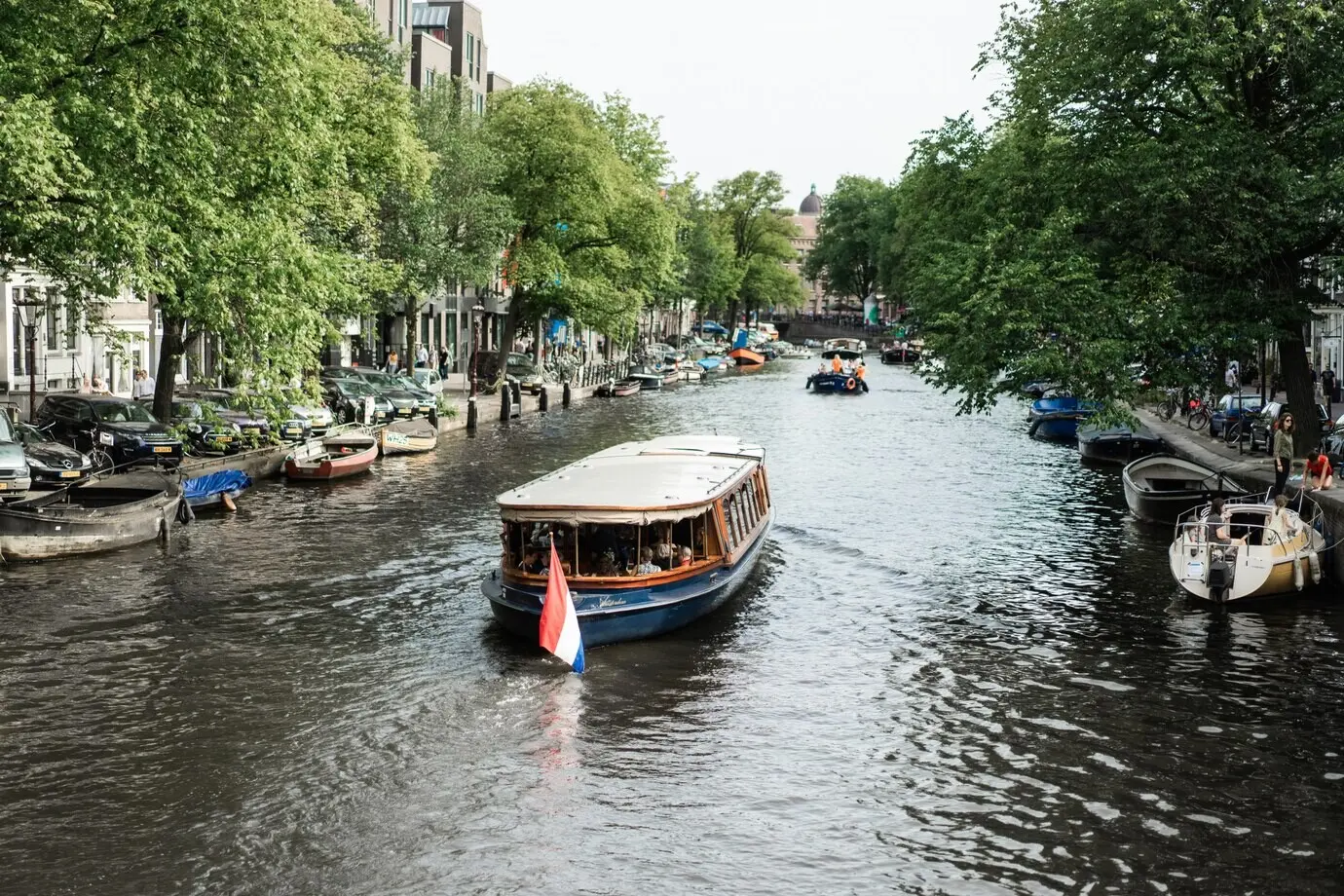
Follow the Water: Capturing Canal Locks from the Towpath

Today we journey into Towpath Photography Itineraries: Best Vantage Points Around Canal Locks, exploring graceful gates, rippling reflections, and paths once trodden by horses. Expect practical scouting tips, evocative routes, respectful etiquette, and creative prompts that transform ordinary lock approaches into memorable frames filled with story, texture, and quiet movement.

Reading the Lock: Light, Flow, and Safe Footing

Before opening your bag, pause to read the water, watch the paddles, and feel the towpath underfoot. Light bounces differently off still pounds and turbulent by‑washes, and stone edges can be slick. Work courteously around boaters, heed signage, keep gear tidy, and let changing angles of sun, spray, and shadow guide your positioning with calm intention.

Mist and Masonry: A Dawn Route along Historic Stonework

Stone locks hold centuries of hands, hooves, and hopes. At first light, masonry warms slowly, mist hugs the pounds, and birdsong returns. Walk a short pre‑dawn circuit, listening for distant paddles and soft voices. One winter morning, a keeper offered tea while frost traced the balance beam, and the chamber exhaled a silver breath.

First Light over Cutwater Stones

Position yourself where the cutwater’s tapered edge meets the glowing sky, letting angled stones split soft reflections into delicate planes. As the sun breaks, micro‑textures appear, making even weathered blocks shimmer. Shift slightly between frames to capture changing specular highlights, building a sequence that reveals both enduring craft and fleeting morning tenderness.

Leading Lines from Towpath to Chamber

Use the towpath’s gentle curve and the balance beam’s sweep to guide eyes toward the sluice turbulence and stillness beyond. A shallow crouch exaggerates converging lines; a higher stance flattens them for graphic clarity. Alternate focal lengths to compare context-rich storytelling with intimate detail, keeping foot traffic in mind as you refine positioning.

Respecting Heritage While You Work

Historic locks deserve quiet footsteps and thoughtful choices. Do not climb on gates or mechanisms, and avoid blocking narrow crossings. Keep flash discreet around early boaters and roosting birds. Share a friendly greeting, step aside when needed, and leave each surface undisturbed, honoring the craft that keeps navigation, culture, and community traditions alive.

Steel and Skyline: Urban Locks with Bold Lines

City locks splice industry and calm water into one dynamic scene. Bridges, cranes, murals, and commuters supply layers, while reflections soften hard edges. Plan a loop under overpasses and along railings, working with repeating patterns. Embrace color contrast, seek human gestures, and let that quiet rectangle of water mirror the city’s busy heart.

Layering Bridges, Cranes, and Calm Water

Start wide to establish context, stacking bridge trusses above the level pound, then compress with a telephoto to align structural rhythms into a coherent grid. Look for a boat’s wake to introduce subtle motion. Frame so verticals stay true, letting steel geometry converse with the serene, glassy plane beneath.

Reflections, Graffiti, and Night Lights

Wet brick and painted steel bloom after rain, and by blue hour, sodium and LED hues ripple across the chamber. Angle slightly off axis to avoid self‑portraits in windows. Highlight murals by pairing them with mirrored doubles, then tame highlights using a polarizer or gentle exposure bracketing for balanced, luminous urban storytelling.

Wildlife from a Respectful Distance

Long lenses and quiet shoes help you document behavior without stress. Watch for telltale rings where fish surface, or hovering damselflies near sunny banks. Keep bodies of water clear, avoid sudden silhouettes against the sky, and remember that the photograph you skip today safeguards trust for tomorrow’s breathtaking encounter.

Mirror‑Calm Surfaces and Subtle Movement

When the pound settles, frame inverted trees, clouds, and gates as if they were painted. A slight tap from a passing boat adds silky texture, perfect for slow shutter experiments. Bracket both stillness and stirred reflections, then pair them later in a sequence that celebrates tension between absolute calm and whispered motion.

Weather as Co‑Author: Fog, Rain, Ice, and Sudden Sun

Weather reshapes locks minute by minute. Fog simplifies scenes into silhouettes and tone. Rain saturates brick and timber, carving rivulets of light. Frost etches patterns across balance beams, while breakthroughs of sun ignite spray. Pack protection, work deliberately, and let each shift in atmosphere push your framing toward surprise and emotional resonance.

Lens Choices for Character and Context

A wide‑angle captures the lock’s geometry and surrounding path, while a short tele compresses gates and skyline into bold shapes. A fast prime unlocks dawn light and dreamy separation. Test each viewpoint on foot before committing, letting focal length serve the story rather than dictating it by habit.

Polarizers, NDs, and Practical Exposure Control

Rotate a circular polarizer to tame glare on wet timbers and deepen sky reflections, then switch to neutral density when you want water to whisper. Balance shutter speed with wind movement in reeds. Bracket sparingly, prioritize decisive timing, and keep filter changes efficient so moments never drift past unused.

Supports, Straps, and Working Clean

Choose a tripod with quick leg locks for uneven banks, and a strap that keeps the camera secure while stepping aside for cyclists. Keep cloths, lens caps, and tools organized in quiet pouches. A tidy workflow signals respect, builds trust, and frees mind and hands to respond to shifting light.

From Field Notes to Narratives: Sequencing, Color, and Sharing

Editing with a Sense of Place

Begin by flagging images that breathe quietly yet hold structure. Calibrate white balance by stone and water, then finesse local contrast to emphasize edges without harshness. Maintain natural tonality, letting subtle greens and iron browns speak. Your goal is presence, not spectacle—an honest echo of walking, waiting, and seeing.

Sequencing a Lock Flight Story

Arrange frames to climb with the boats: approach, mechanism, turbulence, release, and calm. Alternate perspectives so the viewer never feels stuck. Drop in one human gesture near the apex to add warmth. The final image should exhale, maybe a trailing wake or quiet mooring, letting the narrative settle with satisfaction.

Community, Feedback, and Gentle Challenges

Invite readers to share favorite vantage points, respectful tips, and seasonal discoveries in the comments. Propose a weekend mini‑itinerary and a subtle constraint, like one lens or a monochrome series. Encourage subscriptions for route updates, printable checklists, and highlights from shared galleries that celebrate kindness, craft, and the living waterways.

Palovaroxaripiramexolento
Privacy Overview

This website uses cookies so that we can provide you with the best user experience possible. Cookie information is stored in your browser and performs functions such as recognising you when you return to our website and helping our team to understand which sections of the website you find most interesting and useful.