Share the Path, Share the Water

Today we explore Towpath Etiquette and Safety: Sharing the Route with Cyclists, Anglers, and Boaters, turning everyday journeys beside canals and rivers into relaxed, predictable encounters. Expect practical ways to signal, slow, and smile, plus real stories from busy lock approaches and peaceful fishing spots. Whether you ride, stroll, cast a line, or crew a boat, these small habits protect wildlife, prevent surprises, and keep every visit welcoming, calm, and memorable.

A Living Corridor for Everyone

A towpath is a slender ribbon where movement and stillness meet: cyclists finding rhythm, anglers settling into patient focus, boaters guiding heavy craft, and families meandering between towlines and hedgerows. Courtesy here starts with noticing who is nearby, anticipating needs, and choosing kindness before urgency. When we trade a second of speed for a nod of recognition, the whole corridor breathes a little easier and feels wonderfully shared.

Cyclists Finding Flow Without Pressure

Riders can hold an easy cadence while still gifting others their space. A soft bell, a gentle hello, and a lift off the pedals near rods or dogs signal care. Think of overtakes as invitations, not demands, and save bursts of speed for open, sight-rich stretches. The ride becomes smoother, conversations stay unbroken, and everyone finishes with steadier nerves and a brighter mood.

Anglers Setting Up With Considerate Spacing

A well-placed rod rest, a compact seat box, and a tidy landing net keep the line safe while leaving a passage as clear as a handshake. A quick glance behind before casting prevents startles and tangles. Many anglers share remarkable local knowledge, so a brief friendly exchange often unlocks tips on wildlife, water levels, or quiet times that help the whole community enjoy the banks more respectfully.

Sound, Sight, and Signals

Predictability protects us all. A bell or clear voice arriving a few seconds before an overtake reduces surprises far more effectively than last-moment shouts. Eye contact on tight approaches communicates intention better than any rule. On open stretches, signals are calm; at bridges, they are unmistakable. When our presence is announced with warmth, others respond with confidence, and every meeting becomes pleasantly ordinary instead of nervy or rushed.

Space Near Water and Wildlife

Edges deceive. Gravel can roll, mud can glaze, and wild birds may nest inches from bootprints. Respect grows when we slow next to nets, give moored boats generous clearance, and keep sudden movements away from fledglings under reeds. The result is fewer tangled lines, fewer frights for herons or swans, and far fewer splashes nobody planned. Safe distances are not strict numbers, but thoughtful, moment-by-moment choices.

Passing Tackle and Nets Without Disturbance

When approaching tackle, imagine a quiet bubble around each rod tip and landing net. Reduce speed to a courteous walking pace, widen your line early, and announce yourself well before you reach the tip rings. A brief thank you after passing reinforces goodwill. These small rituals protect fragile gear, delicate lines, and the angler’s concentration, while preserving your own momentum and confidence on the return journey.

Dogs, Leads, and Nesting Seasons

Dogs bring joy and unpredictability. Near moorings, livestock, or nests, a short lead protects birds and paws alike. Cyclists can slow, greeting the handler before passing; walkers can pause to shorten leads proactively. During nesting months, giving reedbeds extra room averts panicked flights and scolding swans. Friendly awareness today helps ensure tomorrow’s towpath still hums with life, wagging tails, and calm, unhurried encounters for everyone.

Speed, Priority, and Calm Conflict Skills
Speed on a towpath is a conversation with conditions, not a fixed number to chase. Yielding to vulnerability builds trust that lasts longer than any sprint. When tension rises, calm words and small apologies end scenes before they begin. Moments of restraint are not lost time; they are investments in a corridor where future meetings start friendly, and near misses fade into stories about care, not complaint.

Weather, Light, and Surface Conditions
Towpaths transform with rain, frost, wind, and darkness. Leaves hide edges, puddles mask ruts, and twilight flattens depth. Good lights, grippy soles, and considered tyres mitigate surprises, while a little extra patience prevents spectacular slips. Seasonal courtesy matters too: crowded summer evenings ask for unhurried passing, while winter quiet asks for more visibility. Reading the ground and the sky keeps journeys uneventful and memories pleasantly peaceful.

Leaves, Ice, and Edges That Disappear
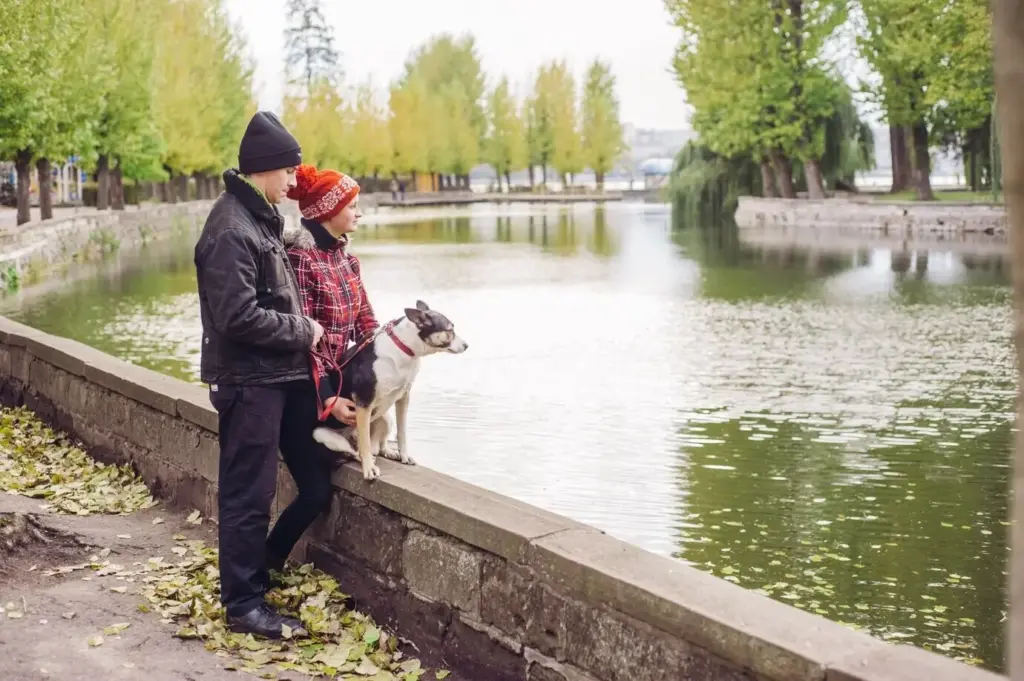
When leaves gloss the surface or frost tightens the path, wheels and boots need gentler inputs. Brake earlier, step lighter, and widen passing arcs. Consider bell timing twice, because sound carries differently in cold air. Where the bank’s edge blends into water, give an additional margin. These habits look slow from afar yet prove quickest to maintain dignity, dry socks, and unbroken rods in tricky weather.

Crowds, Heat, and Shared Shade

Summer concentrates everyone into golden hours. Crowds swell near locks, cafes, and fishing pegs tucked under trees. Hydration, unhurried overtakes, and respectful queues ease the crush. Offer to take a photo for a family, wait while a net is lifted, and keep music considerate. Shade is collective comfort; treat it like a borrowed seat. The busiest evenings can still feel gentle when generosity leads.

Volunteer Days and Gentle Stewardship
Many hands maintain clear sightlines and safe surfaces. Join local groups for canal-side tidy events, or simply pack a spare bag for stray waste. Check guidelines before cutting vegetation, and always prioritize safety. Stewardship deepens belonging, turning a route into something cared for, not just used. Those who witness your effort often echo it, multiplying small gifts into durable comfort for everyone passing tomorrow.

Reporting Hazards That Others Miss

A quick note about a wobbling plank, rutted puddle, or damaged sign can prevent injuries and frayed tempers. Capture a clear location, a brief description, and a photo if safe, then send it through the appropriate channel. Share updates so neighbors know progress. Quiet, consistent reporting builds trust, shortens repair times, and tells every visitor that someone is paying attention and wants them to get home happy.
Palovaroxaripiramexolento
Privacy Overview

This website uses cookies so that we can provide you with the best user experience possible. Cookie information is stored in your browser and performs functions such as recognising you when you return to our website and helping our team to understand which sections of the website you find most interesting and useful.